

College of Languages, Literature & Culture
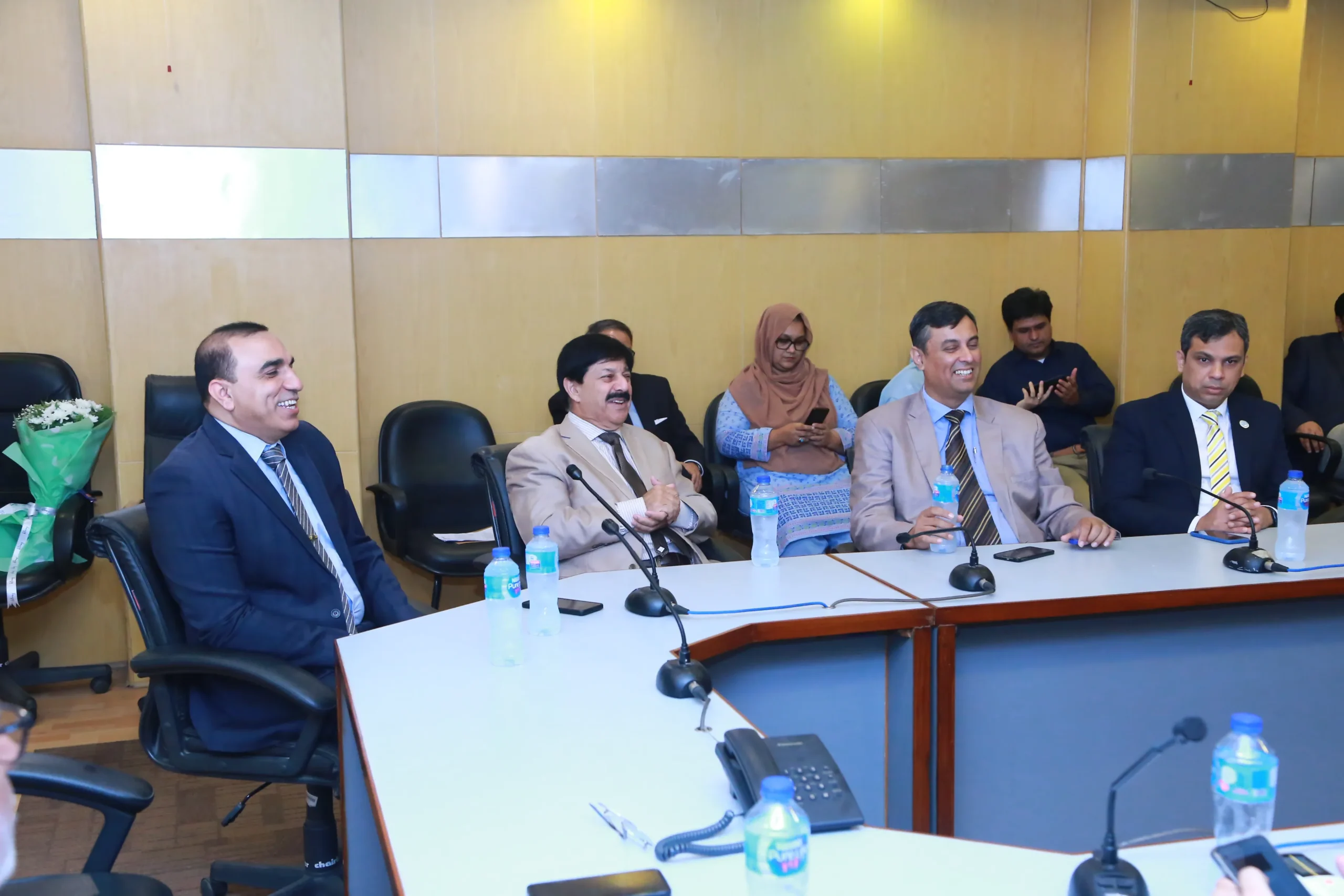
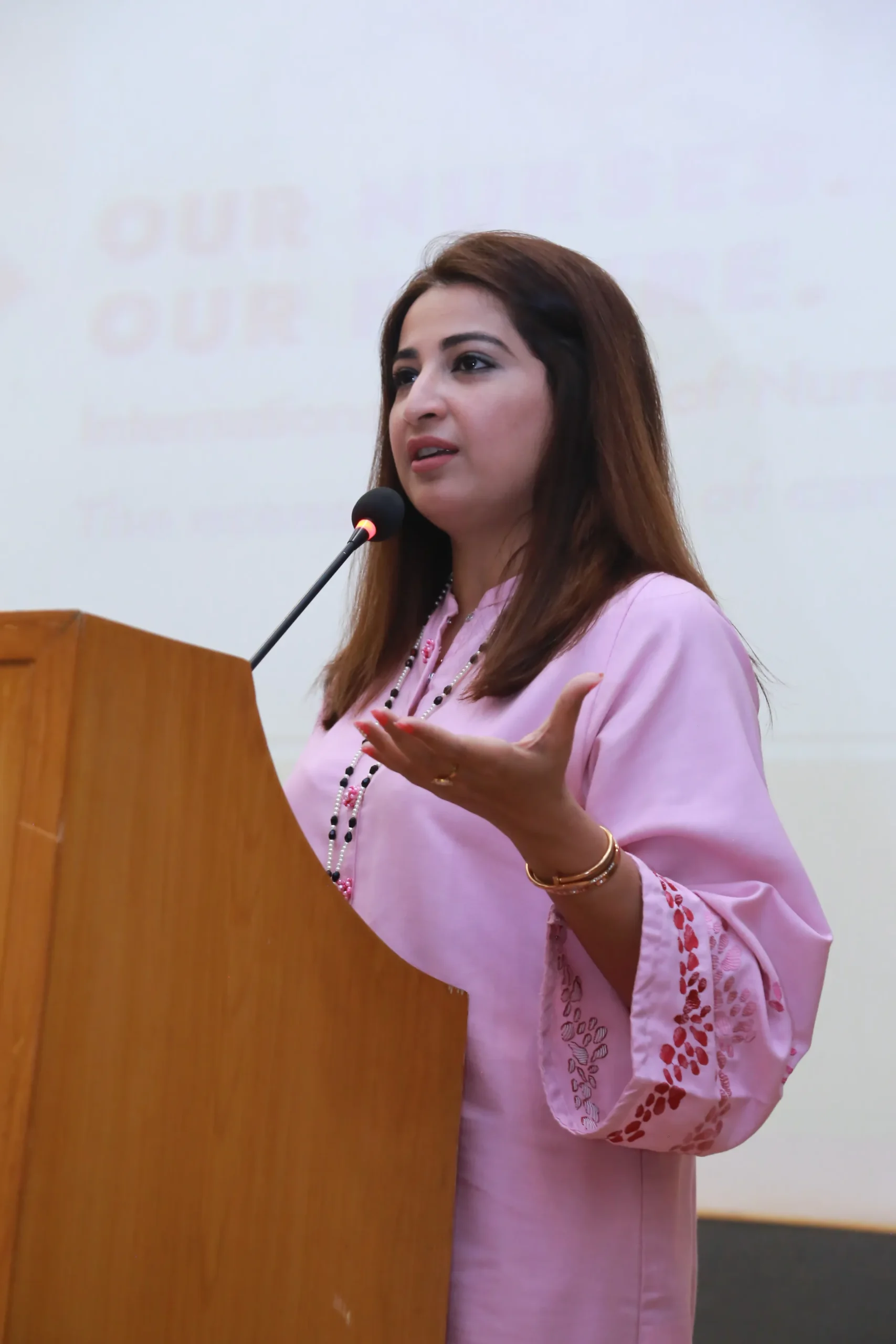
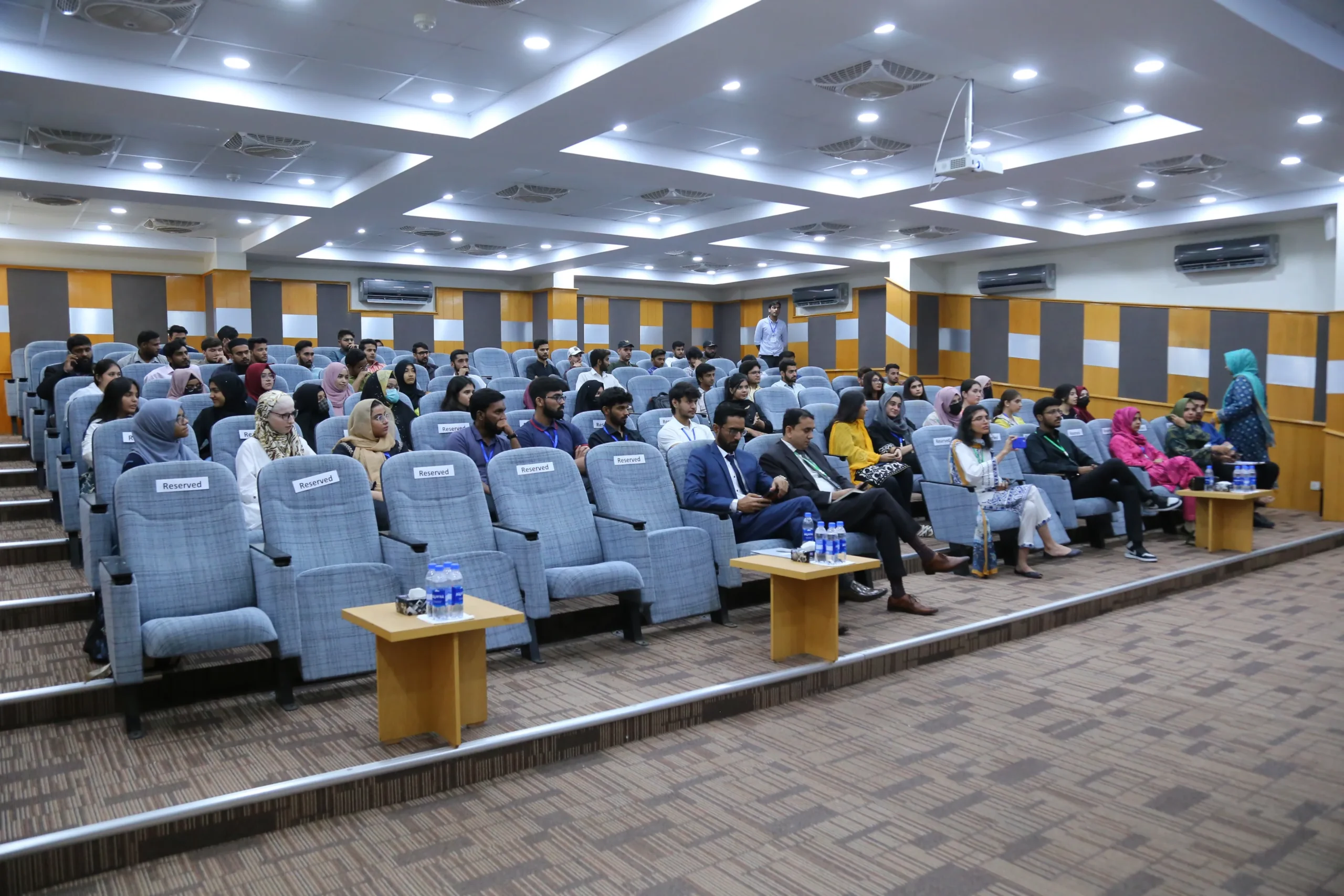
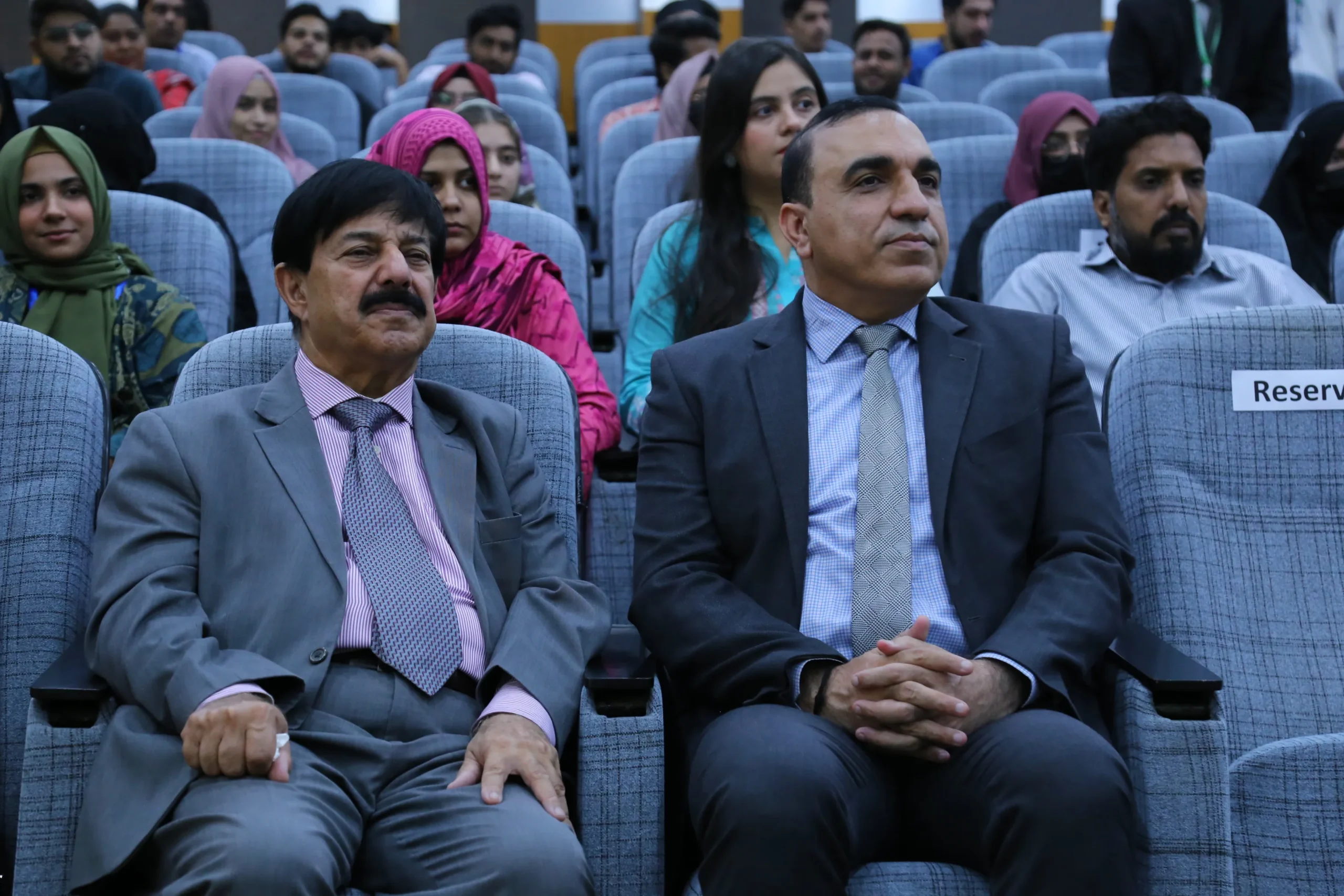
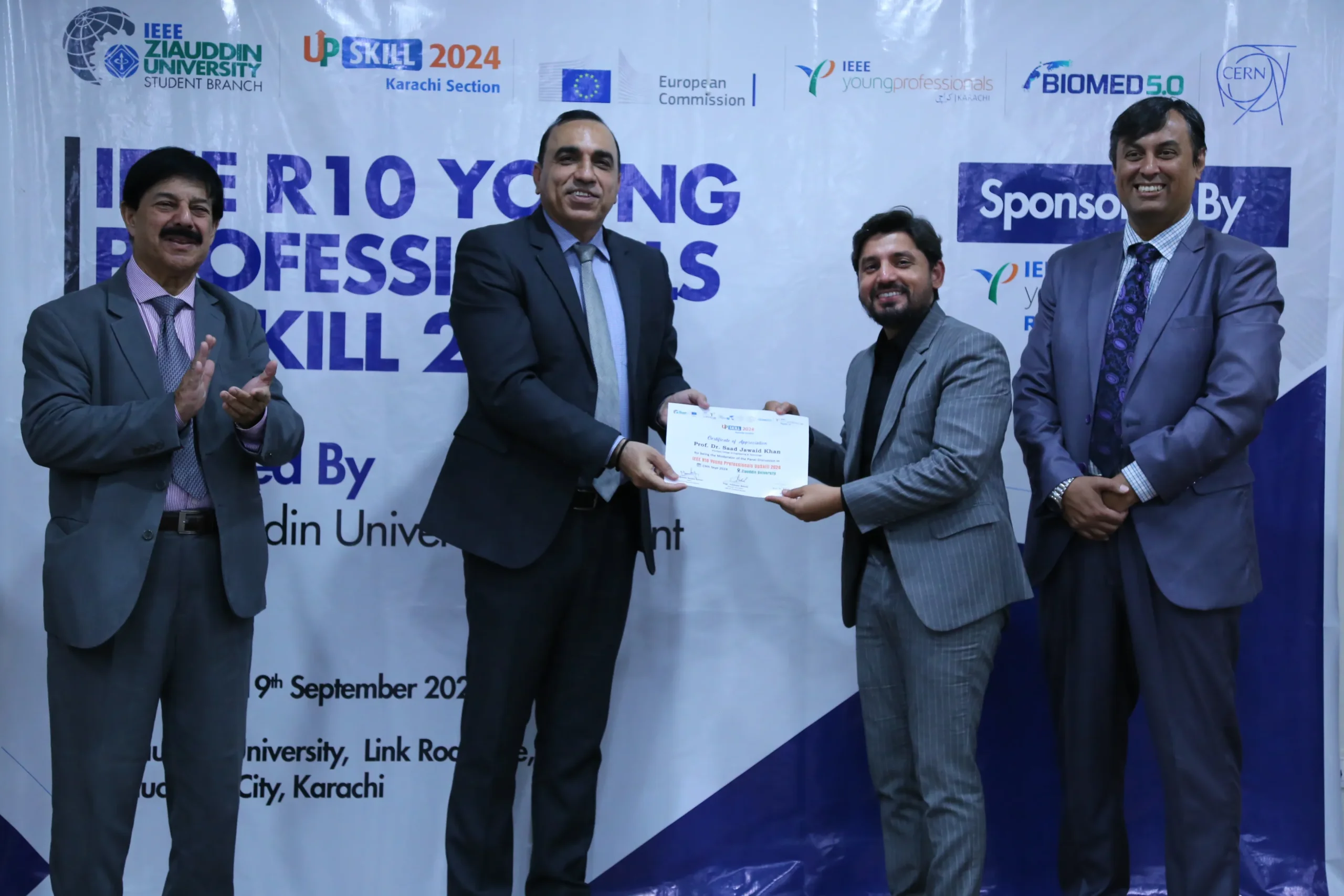
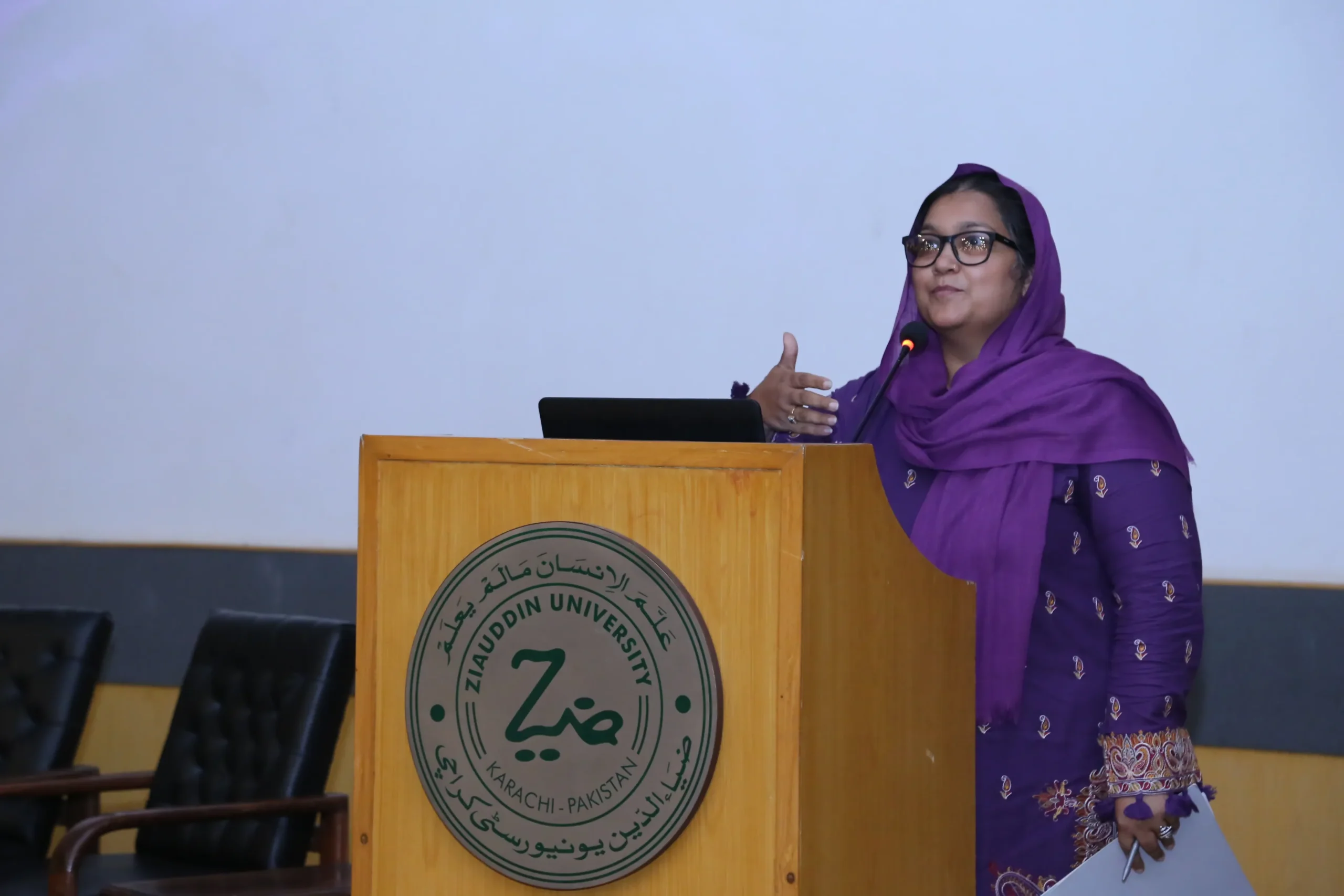
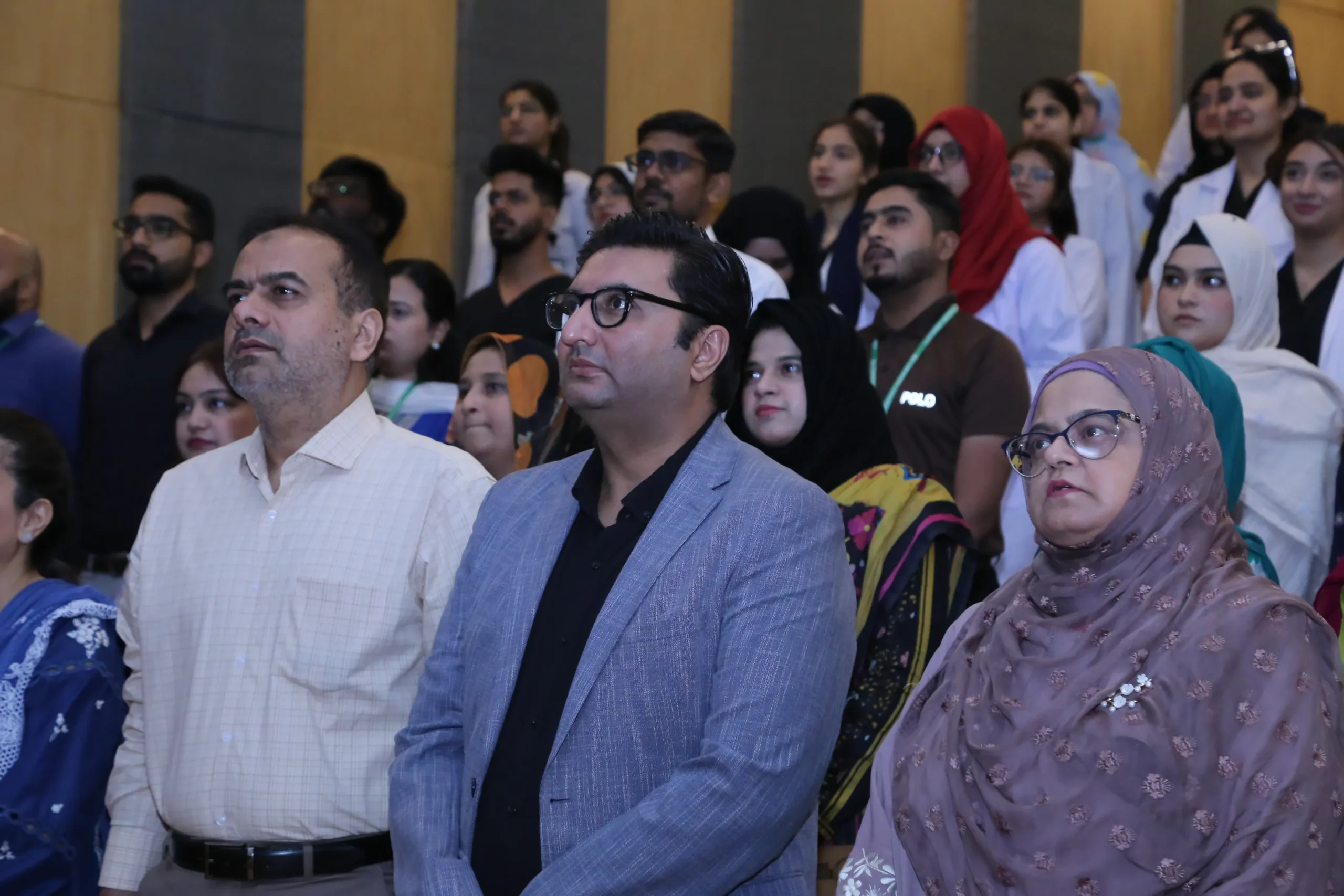
Panel Discussion: From Classroom to Boardroom: Applying Skills in Industry
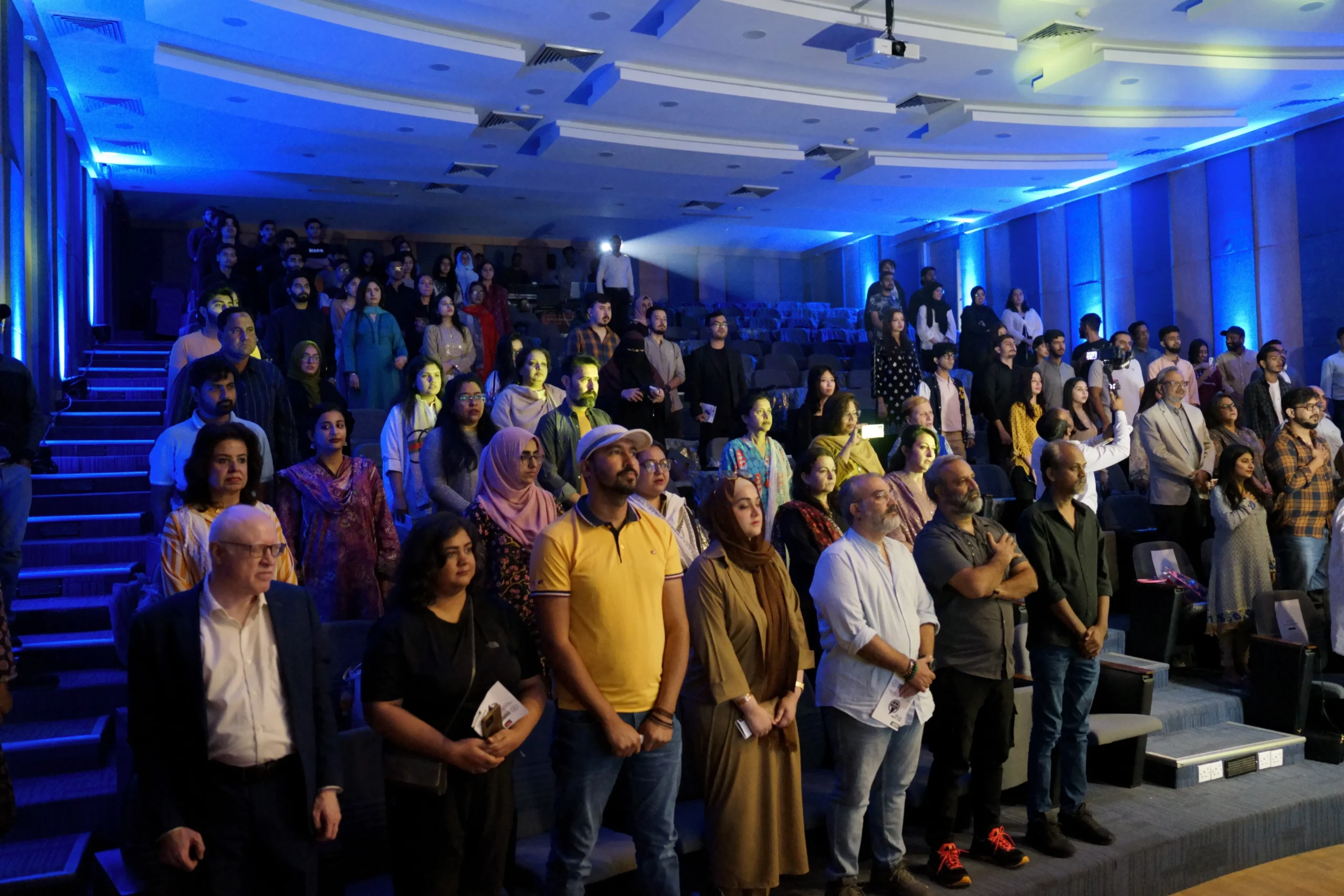
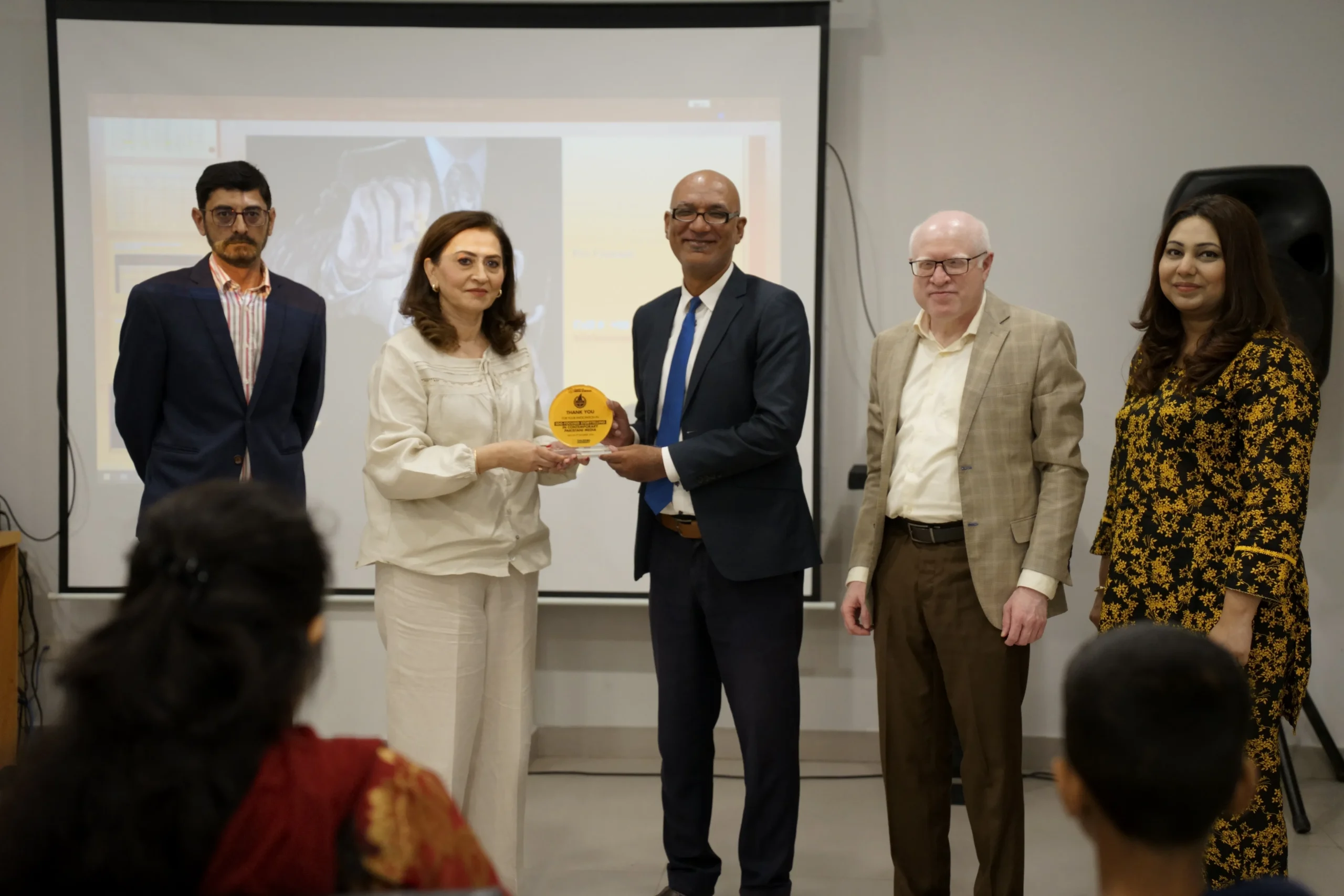
On 5th November 2024, the College of Languages, Literature and

Welcome to the College of Languages, Literature & Culture at Ziauddin University! We are a prestigious institution dedicated to providing high-quality education in languages, literature, and culture. Our college offers a diverse range of programmes designed to enhance linguistic proficiency, critical thinking, and cultural understanding.
From mastering languages and exploring the depths of literature to understanding the intersection of various disciplines such as sociology, psychology, gender studies, history, anthropology and education, our curriculum is designed to broaden your horizons and develop your intellectual capabilities.
At the College of Languages, Literature & Culture, we strive to create an enriching learning environment. Our experienced faculty members employ innovative teaching methods that promote interactive learning, critical analysis, and creative expression. We encourage students to engage in academic discussions, seminars, and workshops, fostering intellectual growth and collaborative learning.
We provide state-of-the-art facilities to support your educational journey. Our well-stocked libraries, and multimedia resources offer you the tools and resources necessary to excel in your studies. The college also organises various educational activities such as literary events, cultural festivals, and guest lectures to enhance your learning experience and expose you to diverse perspectives.
Upon graduating from the College of Languages, Literature & Culture, you will be equipped with valuable skills that open doors to rewarding career opportunities. You can pursue careers in fields such as education, translation and interpretation, journalism, research, social change and development, cultural organisations, and more. Our programmes prepare you to become effective communicators, critical thinkers, and agents of positive change in society.
The College of Languages, Literature and Culture aims to develop the next generation of citizens for an extremely fragmented yet interrelated world, with an appreciation and understanding of diversity in languages, literature and cultures within a broad humanistic context.
To engage in teaching, research and service in languages, literature and culture to develop graduates as critical thinkers with excellent language and communication skills, and an appreciation of diversity in cultures and people for promoting tolerance and peace in a globalised world.
Clifton Site: 4/B, Shahrah-E-Ghalib, Block 6, Clifton Karachi.
North Site: D-65, Block-H, Allama Rasheed
Turabi Road, North Nazimabad, Karachi.
Landline: 02135305790


“Who dares to teach must never cease to learn,” said John Cotton Dana. Yet, in many developing countries, the very profession tasked with shaping the future is trapped in a cycle of neglect and systemic challenges. Teaching is often deemed a cornerstone profession that builds nations and empowers communities, but the treatment of educators often tells a different story. Many teachers face immense obstacles that are consistently overlooked: low salaries, insufficient resources, inadequate training, and the crushing weight of societal expectations. These factors create a toxic environment for educators. Despite being the most significant factor in determining student success, the teaching profession is often reduced to a set of transactional duties, stripped of its human essence. In these regions, teachers are expected to wear many hats: academic mentors, caregivers, counsellors, and community leaders, all without the recognition or support they deserve. This dehumanisation of the teaching role undermines educators’ dignity, mental well-being, and professional identity, with far-reaching consequences for both teachers and students alike.
Teachers in developing nations often receive insufficient salaries with severe budget constraints to make ends meet. In sub-Saharan Africa, the average pupil-teacher ratio is 43:1 which hints at severe funding limitations that advertently influence the staff and essential resources for effective teaching (UNESCO, 2015). Low wages and inadequate resources cause many teachers to strive to meet their basic needs which further adds to the mental strain of the profession. As a result, many teachers in developing countries often try to search for a second job which naturally reduces their focus on teaching and student engagement. This lack of aid can be demoralising at times and can contribute to a sense of professional inadequacy and frustration among the teachers. Gradually, constant financial stress, trying to teach in large class sizes, and a lack of resources leads to burnout and emotional exhaustion, and as a result quality of education for students suffers. Nonetheless, the issue goes deeper than financial stress since the teachers in developing countries like any other nation are expected to fulfil emotional and behavioural roles without adequate support, which can lead to stress and emotional struggles that negatively impact classroom dynamics. Providing mental health services, professional development, and institutional support is essential to address these challenges and foster a conducive learning environment.
Teachers in developing countries face the weight of enormous societal expectations, which often clash with the reality of their working conditions. Teachers are required to act as caregivers and mentors which can be difficult given the under-resourced environments where teachers lack the training or assistance to manage these diverse responsibilities. Research has shown that the mental well-being of teachers is directly tied to their ability to effectively perform these roles (Ladd, 2007). Frustrated and stressed educators may unintentionally project their struggles onto students, which can create a cycle of emotional trauma thereby poorly affecting the classroom dynamic. Teachers who are overworked and underappreciated are less likely to maintain the mental flexibility needed to create a nurturing, effective and conducive environment for learning. Therefore, more institutional aid in the form of mental health services, adequate professional development, and recognition of the complex, multifaceted nature of teaching is needed to break this cycle. However, these expectations often fail to account for the hurdles that teachers face in classrooms that are overcrowded and underfunded. In addition to dealing with large class sizes, many teachers are subjected to social pressures from parents and school administrators who demand high performance without offering adequate backing. (UNESCO, 2015).
This pressure can take a toll on teachers’ mental health. About 35.7% of teachers experience mild to moderate mental health symptoms, while 2.9% suffer from psychiatric impairments (Brenton, 1971). In reality, many teachers enter the profession without mental health assessments. Hence, teachers with unresolved psychological challenges can unintentionally affect their students. In high-stress environments like inner-city schools, where harassment, and even physical violence are rampant, these mental health challenges are further exacerbated (UNESCO, 2015). The societal expectation for teachers to remain resilient despite all the hardships further dehumanizes them and pushes them into a cycle of burnout and professional disengagement. Therefore, the emphasis on mental health support and recognition of the extent of the emotional toll teaching takes on educators becomes necessary to address.
Moreover, the societal view of the teacher as a ‘superhuman’ figure i.e. someone who can handle everything without faltering only adds to the burden. Such ideals often ignore the human vulnerabilities of teachers and leave them with little room for error which also makes it difficult for teachers to ask for the help they need because they fear it will contradict this societal perception of strength and selflessness. Hence, the focus must shift from idealizing teachers as invulnerable individuals to recognising them as professionals who may require some backing and care from time to time. Such measures can help teachers deliver the quality of education their students deserve, both academically and emotionally.
Teachers in developing nations are often burdened with heavy expectations from parents and school management. Now, no one person can be blamed for this pressure, but it is also true that the consequences of such cannot be excused and ignored. Parents with high hopes for their children’s academic success can add stress by placing unrealistic demands on teachers especially when they deal with lack of resources, oversized classrooms and financial stress. Failure to meet these expectations often lands teachers in hot water. Studies have linked this miscommunication between teachers and parents to the aggravation of these pressures and have deemed it essential for teachers to navigate these relationships carefully to avoid further strain (Becker & Epstein, 1982).
Teachers often face significant pressure from school management, which frequently evaluates their performance through the lens of standardised test results. This performance-driven focus places their actions under intense scrutiny, often at the expense of fostering students’ broader emotional and intellectual development. Despite being held accountable for student outcomes, teachers are rarely equipped with the necessary tools and resources to achieve success. The demands of juggling multiple responsibilities—grading, lesson planning, classroom instruction, and administrative tasks—without adequate training can severely impact teachers’ mental well-being. Moreover, the rigid expectations and minimal tolerance for error exacerbate this strain. The lack of professional development opportunities further compounds the issue, contributing to burnout and diminishing teachers’ capacity to cultivate supportive and enriching learning environments (Schonert-Reichl, 2017).
Student responses can further exacerbate the pressures teachers face. Managing the emotional and behavioural needs of students in overcrowded and poorly designed classrooms is particularly challenging. Many teachers struggle to address these needs effectively, especially when they lack the necessary training to adapt to their classroom environments. This absence of environmental competence, combined with the emotional labour required to support students, can significantly contribute to teacher burnout. To address these challenges, it is crucial to equip teachers with the tools, support, and training needed to manage these obstacles effectively (Lackney, 2008). Structural improvements, such as creating conducive classroom environments with manageable student-teacher ratios and providing comprehensive training programmes for new teachers, can alleviate the mental strain on educators. In turn, these measures may enable teachers to focus more effectively on fostering a positive and enriching learning environment for all students.
The dehumanisation of teachers in developing nations is a deeply rooted and multifaceted issue that demands immediate attention. Teachers are the cornerstone of any nation’s future, yet their well-being is frequently overlooked. It is imperative for society to acknowledge the challenges educators face and to prioritise providing them with the support, resources, and recognition they deserve. By addressing these concerns, we not only improve the lives of teachers but also elevate the quality of education and secure a brighter future for students. Teachers must be regarded as professionals, entitled to the same respect, care, and mental health support as those in other fields. When teachers are adequately supported, they can foster positive and effective learning environments that benefit not just themselves, but society as a whole. A cultural shift in how we perceive, and value teachers is essential to resolving the mental health crisis in education, paving the way for a more sustainable and prosperous future for both educators and their students.
Edited by Faryaal Khalid
Durr-i Sameen Merchant is a passionate student currently pursuing a Bachelor’s degree in English Literature at College of Languages, Literature and Culture at Ziauddin University. With a strong interest in the humanities, her academic pursuits are complemented by a growing body of research on the evolving dynamics of education, particularly the humanistic and ethical dimensions of teaching. Through her work, she aims to shed light on pressing challenges within the education system to spark meaningful dialogue on reshaping the role of educators in modern society.
Rubab Viqar is a BEd student at AKU-IED, driven by a passion for transforming education. With a background in pharmacy and over three years of teaching experience, Rubab has witnessed firsthand the critical role teachers’ mental well-being plays in creating healthy learning environments.
Akbari, R. (2007). Teachers’ perceptions of their profession: A study of teachers’ identity. Teaching and Teacher Education, 23(3), 320-338.
Brenton, M. (1971). Teacher stress and mental health: A review. Journal of Educational Psychology, 63(5), 360-373.
Becker, H., & Epstein, J. (1982). Teachers and parents: The role of collaboration in educational reform. Educational Researcher, 11(5), 7-15.
Epstein, J. L., & Becker, H. (1982). Parent involvement in education: Theory and practice. Educational Horizons, 60(1), 31-37.
Lackney, J. A. (2008). Teacher environmental competence in elementary school environments. Children, Youth, and Environments, 18(2), 133-159.
Ladd, H. F. (2007). Teacher labor markets in developed countries. The Future of Children, 17(1), 201-217.
Schonert-Reichl, K. A. (2017). Social and emotional learning and teachers. The Future of Children, 27(1), 137-155.
UNESCO. (2015). The teaching profession: Key findings from the Education for All Global Monitoring Report. Paris: UNESCO.
“The essence of an independent mind is not what it thinks, but how it thinks,” said Christopher Hitchens. In today’s rapidly evolving world, keeping up with Pakistan’s expanding market demands requires a diverse set of essential skills. The economy faces numerous challenges, including high inflation, sluggish GDP growth, and mounting debt (Shahid, 2025). Addressing these issues demands a workforce equipped with critical thinking, problem-solving, and teamwork skills. These competencies drive innovation, facilitate adaptation, and enable industries to navigate adversity while ensuring sustained growth. This blog explores how these crucial skills can enhance productivity, particularly in an era shaped by artificial intelligence (AI), and highlights the indispensable role of education in fostering these capabilities.
The Role of Education in Developing Critical Thinking and Problem-Solving Skills
Education plays a vital role in cultivating critical thinking and problem-solving abilities from an early age (Rusmin et al., 2024). Instead of rote memorization, students should learn to analyse information, assess evidence, and form well-reasoned conclusions. Such as the Inquiry-based learning approach, which encourages students to ask questions and explore diverse perspectives, fosters analytical thinking. Similarly, Project-based learning, for instance, immerses students in real-world problems, compelling them to collaborate, communicate, and apply their critical thinking skills effectively. Such experiences enhance their understanding of practical applications, instil confidence in their problem-solving abilities, and prepare them for dynamic work environments. Furthermore, a well-rounded education that integrates interdisciplinary studies equips students with the ability to synthesize knowledge from different fields, nurturing innovation and creativity. Exposure to subjects such as science, technology, arts, and humanities broadens their cognitive horizons, allowing them to approach challenges from multiple angles, a highly valued trait in today’s job market.
Critical thinking is an essential skill that extends beyond academics and into everyday life. It involves analysing facts, evaluating evidence, and forming well-reasoned conclusions (Fatima, 2024). Employers increasingly seek individuals who can make informed decisions and adapt to rapidly changing circumstances. Problem-solving, closely linked to critical thinking, emphasizes logical reasoning and creativity in addressing challenges (McCormick et al., 2015). The process involves identifying a problem, analysing its root cause, and developing viable solutions. Employees adept at problem-solving contribute significantly to workplace efficiency and innovation, ensuring businesses remain competitive.
Recent Studies highlight that another indispensable skill in Pakistan’s growing economy is teamwork (Iqbal et al., 2019). Effective collaboration unites individuals with diverse talents, enabling them to work toward shared objectives. Respect, trust, and strong interpersonal relationships form the foundation of successful teamwork. By pooling collective expertise, teams generate innovative solutions and enhance productivity. Collaborative work environments also mitigate stress and expedite project completion (Alzoubi & Alzoubi, 2023), as tasks are distributed based on individual strengths. In industries such as project management and creative fields, teamwork is crucial for success. In education and research, collaboration among educators, curriculum developers, and policymakers is essential for creating effective learning programs. Research teams focused on educational initiatives depend on the collective expertise of their members to conduct studies, analyse data, and develop evidence-based solutions aimed at improving teaching practices. These fields benefit from effective coordination, where diverse perspectives come together to drive meaningful advancements.
Pakistan’s technological and entrepreneurial landscape is undergoing a transformation (Qureshi & Mian, 2018). Digital tools and tech-driven enterprises are reshaping industries, particularly in IT and healthcare. The healthcare sector has witnessed significant expansion, with telemedicine and technology-based care making healthcare more accessible and affordable. For example, Sehat Kahani, a Pakistani health-tech social venture, connects patients in remote areas with doctors via web and mobile platforms. Such advancements underscore the need for professionals who possess critical thinking and problem-solving abilities to navigate and contribute to emerging sectors. Similarly, the education sector is adapting to increased demand for online learning opportunities. These evolving industries require a workforce equipped with higher-order skills to tackle challenges, drive innovation, and foster collaboration in an increasingly competitive marketplace.
The rise of AI is revolutionizing job roles across Pakistan (Tariq et al., 2024). As automation takes over routine tasks, the demand for human-centric skills such as critical thinking, creativity, and problem-solving is increasing (Kumar, 2023). AI can process data efficiently, but it cannot replace human judgment or ingenuity. Employees who can interpret data, make strategic decisions, and innovate will be invaluable assets in an AI-driven economy.
Despite the growing need for skill development, Pakistan faces a significant gap in governmental efforts to foster critical thinking and problem-solving abilities (Ali et al., 2024). The absence of structured training programs limits opportunities for individuals to acquire these skills. To bridge this gap, the government must implement comprehensive educational reforms that integrate these competencies into curricula from primary education through professional development. Public-private partnerships can play a crucial role in establishing industry-relevant training programs that equip individuals with the necessary expertise.
In an era of rapid technological advancement and economic challenges, the need for critical thinking, problem-solving, and teamwork skills has never been more urgent. As industries evolve, individuals equipped with these competencies will not only enhance their career prospects but also contribute to collective progress and national growth. Addressing the existing skill development gap requires a multi-stakeholder approach, with governments, educational institutions, and private enterprises collaborating to create structured training programs. By prioritizing these essential skills, Pakistan can cultivate a resilient and innovative workforce capable of navigating modern challenges and securing long-term economic prosperity.
Edited by Faryaal Khalid
Habiba Iqbal is an educationist and researcher with an MPhil in Education from Aga Khan University (AKU), Karachi. She has experience in qualitative research, early childhood education, and environmental education. Habiba is passionate about improving educational outcomes and has worked on various research projects related to Public-private partnership, ECD, Moral & Ethical Values. She is skilled in data analysis, project management, and producing reports and presentations. Habiba is also committed to enhancing the use of digital tools in education and believes in fostering collaboration to achieve impactful results.
Anusha Farooqi is enrolled in Ziauddin University’s College of Languages, Literature, and Culture in the BS English programme currently majoring in English Literature.
Ali Alzoubi & Fadi Alzoubi. (2023). Promoting Employees Creativity to mitigate Job Stress: Achieving Job Performance. International Journal of Theory of Organization and Practice (IJTOP), 3(1), 111–126.
Ali, W., Rahman, A., & Karsidi, R. (2024). Sustainable Skill Development in Pakistan: Bridging Gaps in Vocational and Technical Education Policy – A Systematic Literature Review. Society, 12(2), 656–673.
Javed Iqbal, S. M., Shahid Nawaz, M., Hafeez Siddiqui, S., & Kashif Imran, M. (2019). Does Project Teamwork Matter? Investigating the Relationship between Transformational Leadership and Project Success. Journal of Management Sciences, 6(1), 79–95.
Kumar, S. (2023). Developing Human Skills in the Era of Artificial Intelligence: Challenges and Opportunities for Education and Training. Scholedge International Journal of Multidisciplinary & Allied Studies ISSN 2394-336X, 10(2), 11.
McCormick, N. J., Clark, L. M., & Raines, J. M. (2015). Engaging Students in Critical Thinking and Problem Solving: A Brief Review of the Literature. Journal of Studies in Education, 5(4), 100.
Navigating Pakistan’s Evolving Job Market: Challenges Ahead | My Blog. (2024, December 17).
Qureshi, S., & Mian, S. (2018). A Journey Towards Entrepreneurial Support in Pakistan: IBA’s Center for Entrepreneurial Development (CED). In N. Faghih & M. R. Zali (Eds.), Entrepreneurship Education and Research in the Middle East and North Africa (MENA) (pp. 239–251). Springer International Publishing.
Rusmin, L., Misrahayu, Y., Pongpalilu, F., Radiansyah, R., & Dwiyanto, D. (2024). Critical Thinking and Problem-Solving Skills in the 21st Century. Join: Journal of Social Science, 1(5), 144–162.
Shahid, A., & Shahid, A. (2025, March 10). Pakistan unexpectedly halts easing cycle, keeping key interest rate at 12%. Reuters.
Tariq, M., Aslam, M. J., Shakoor, A., & Ilyas, S. (2024). Artificial Intelligence and the Reshaping of Journalism. Qlantic Journal of Social Sciences, 5(1), 44–53.
This week comes another collaboration between Aga Khan University, Institute for Educational Development and Ziauddin University of Language, Arts, and Culture as we turn our attention to a critical yet often overlooked issue: mental health stigma in Pakistan. The blog explores how cultural silence, misconceptions, and societal pressures have made mental health a taboo topic across communities. Rooted in deep-seated beliefs and social norms, the stigma prevents individuals from acknowledging mental health struggles, seeking timely help, or even discussing their emotional well-being.
The first battle often begins in the mind of the individual. At the intrapersonal level, people internalize negative beliefs about their condition. Many feel shame, fear judgment, or attribute their symptoms to supernatural causes such as black magic or the evil eye (Choudhry et al., 2018). This cultural narrative delays intervention and deters individuals from seeking professional help. As one patient in a Peshawar psychiatric unit shared, “I just tell everyone that I have a heart problem when someone asks” (Khan & Irfan, 2023, p. 1413). The emotional isolation and self-stigma further erode their well-being. In many households, mental illness is not seen as a medical condition; it’s seen as a moral weakness or personality flaw. As a result, emotional vulnerability is discouraged, and those who struggle are often urged to “toughen up” or “pray more.” This lack of open conversation leads to underdiagnosis, untreated trauma, and prolonged suffering.
Treatment-seeking behaviour in Pakistan often follows a familiar path: families turn first to local physicians, traditional healers, or religious figures such as Pirs and Maulvis. Psychiatric consultation becomes the last resort, only considered when spiritual methods fail or when symptoms escalate into risky behaviour (Shah et al., 2019). As one father insisted, “My daughter is just suffering from evil eye… she will be fine with the grace of God and my spiritual healer” (Javed et al., 2020, p. 563). While faith can be a source of comfort, relying exclusively on it delays timely intervention and reinforces misinformation.
Educational institutions, schools, colleges, and universities hold immense potential to dismantle the mental health stigma in Pakistan. These spaces are not just for academic instruction but also for shaping mindsets and social values. By introducing age-appropriate discussions on mental health in curricula, institutions can nurture emotional literacy from an early age. Teachers can be trained to recognise signs of distress and refer students for appropriate support. Schools can also host awareness campaigns, workshops, and seminars involving students, parents, and staff to demystify mental health and promote empathy. Most importantly, by providing access to trained counsellors and safe, confidential spaces for students to express themselves, educational institutions can become sanctuaries for healing and growth. In doing so, they not only support individual well-being but also help raise a generation that views mental health through a lens of understanding, not judgment.
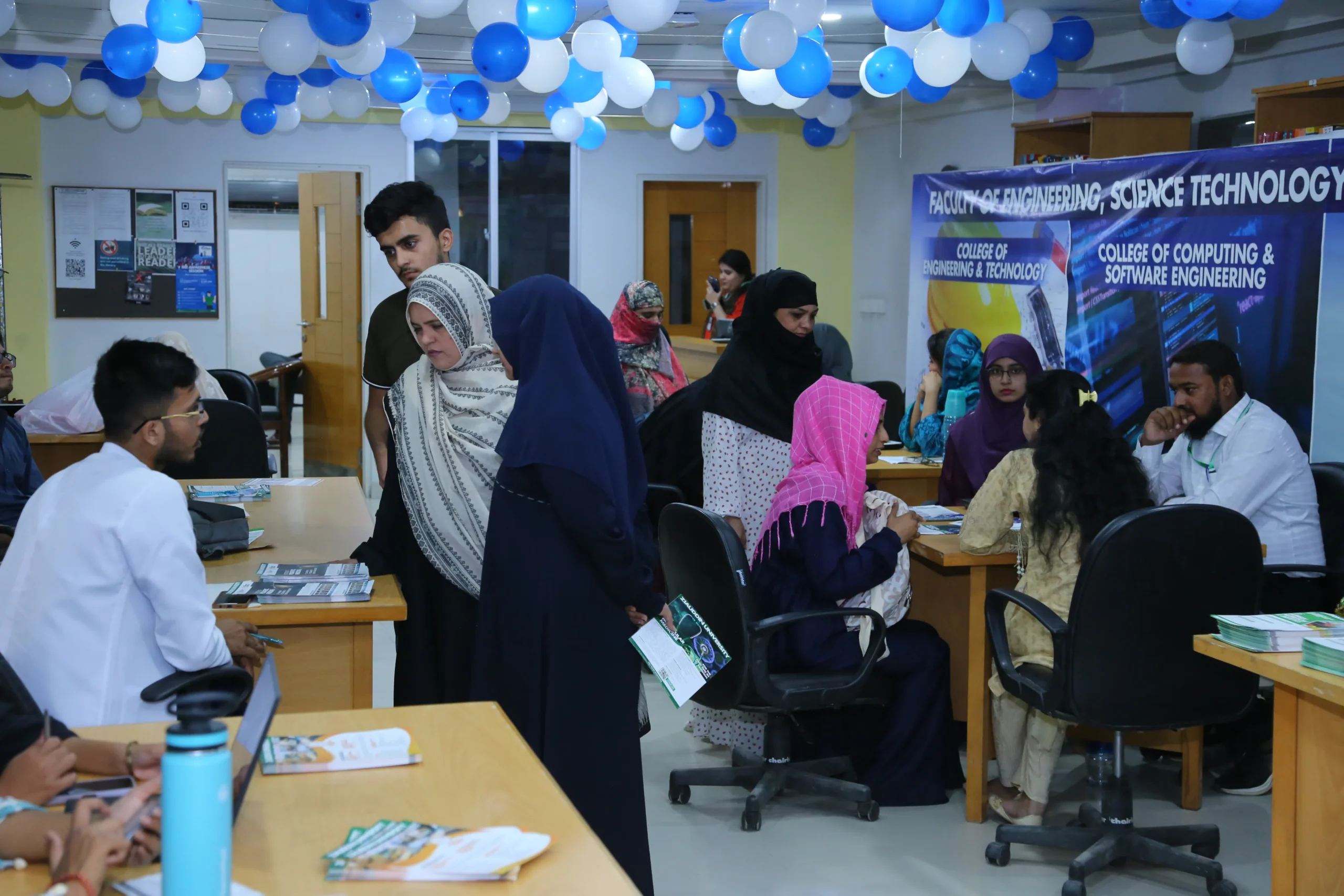
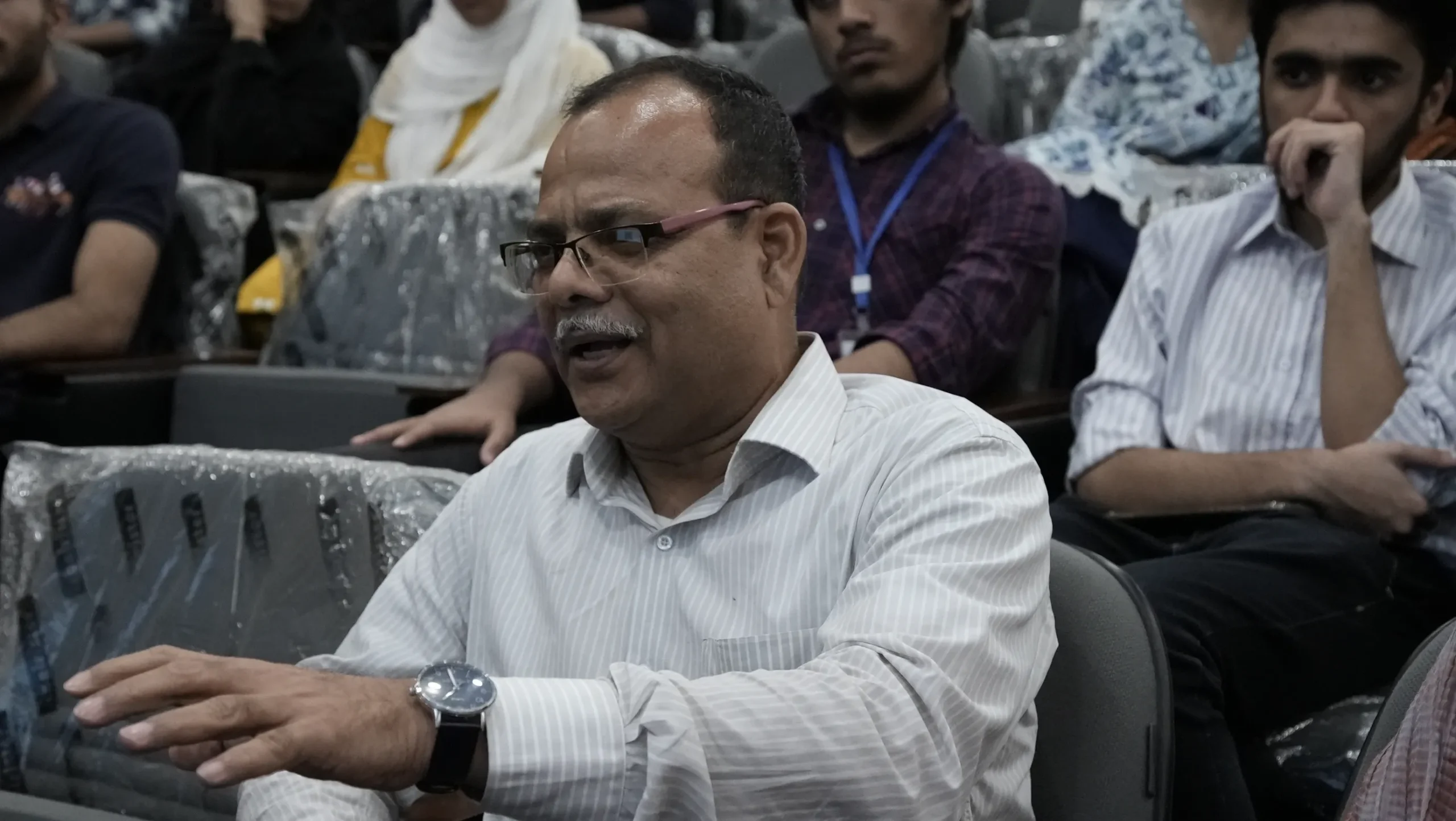
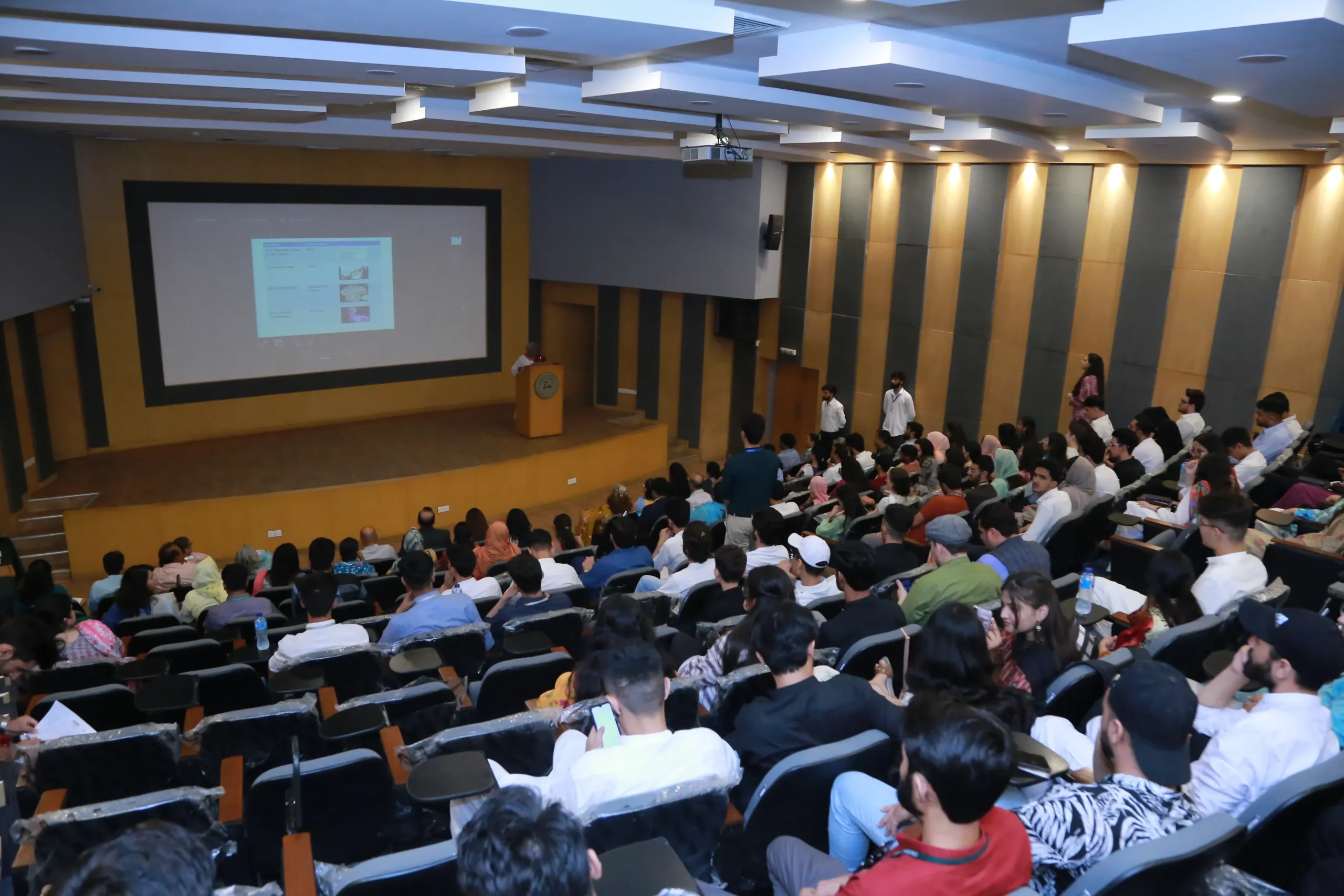
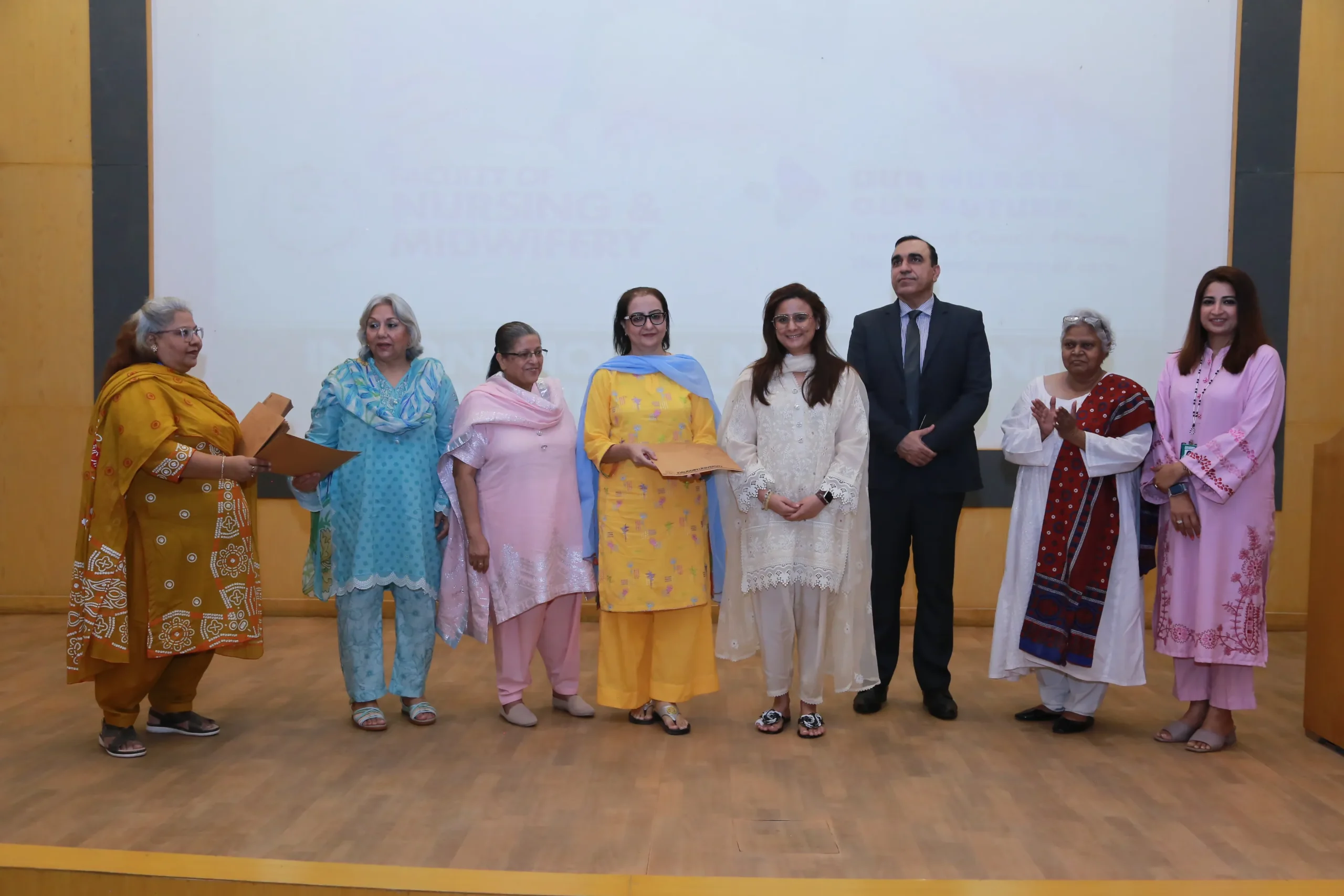
On 5th November 2024, the College of Languages, Literature and

Ziauddin University and Aga Khan University-IED (Institute for Educational Development)

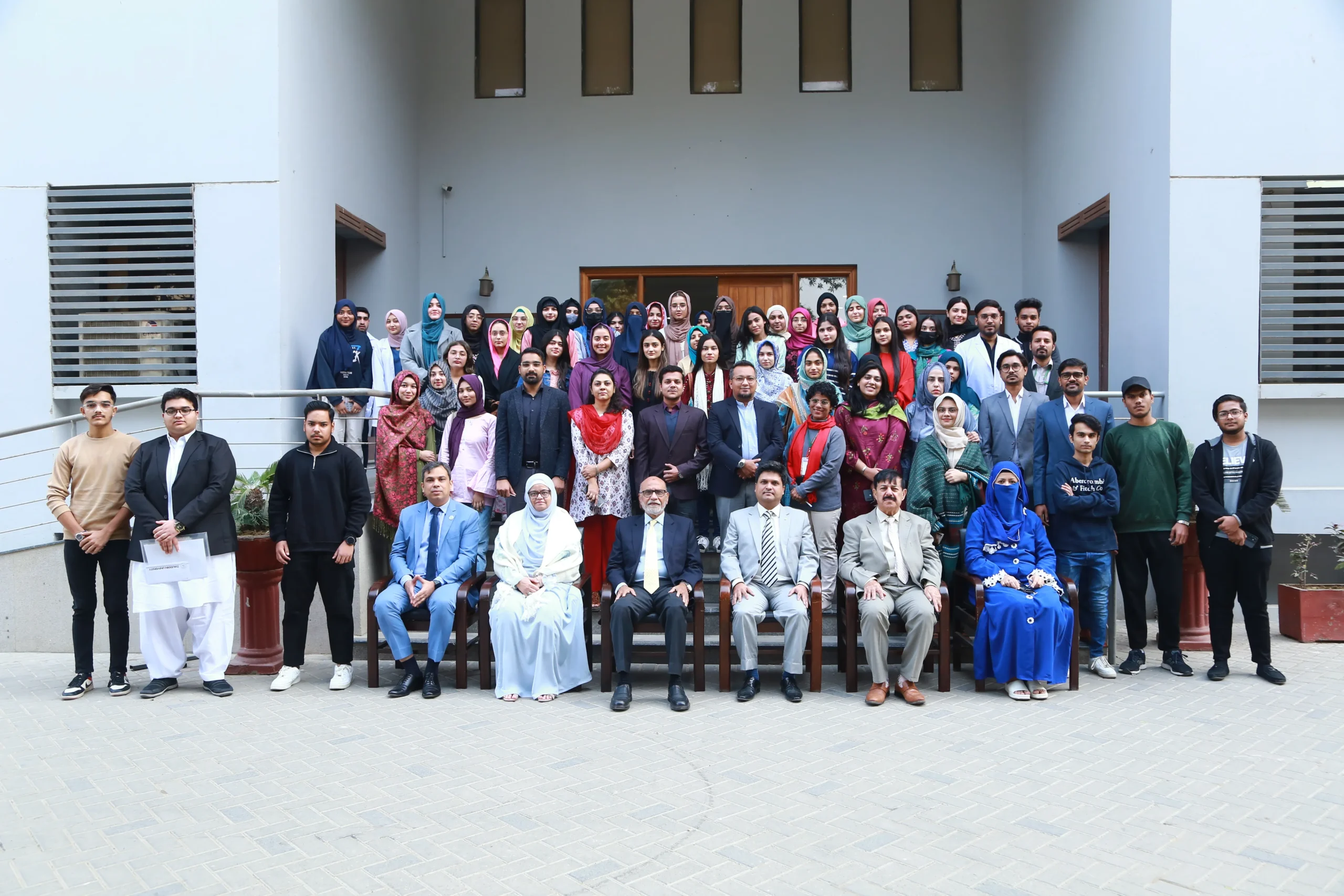
On 19th September 2024, the Faculty of Liberal Arts and

ZU-CLLC (Ziauddin University – College of Languages, Literature, and Culture)


The College of Language, Literature, and Culture at Ziauddin University